
The Settlement of Provincetown: How America’s First Landing Helped Shape the United States
When people think about the founding of America, they often picture Plymouth Rock. Yet before the Pilgrims ever reached Plymouth, they first landed in Provincetown.
Located at the tip of Cape Cod, Provincetown played a pivotal role in one of the most important chapters of American history. It was here that the passengers of the Mayflower made their first landing in the New World, explored the region, and signed a groundbreaking agreement that would help influence democratic self-government in America.
Today, Provincetown is known for its vibrant arts community, beautiful beaches, and welcoming atmosphere. But its historical significance remains one of the town’s most remarkable stories.
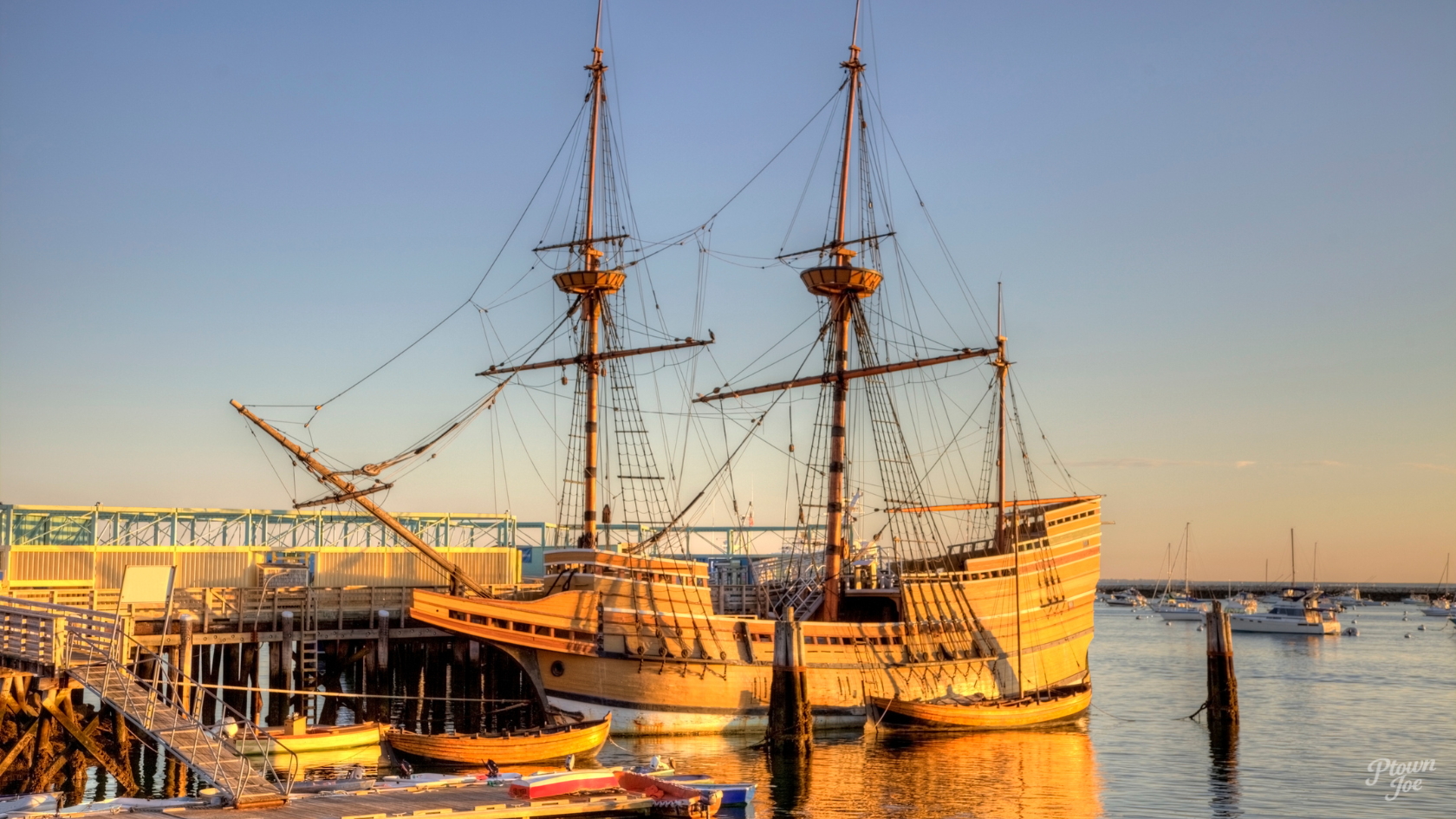
The Mayflower’s Arrival in Provincetown Harbor
In November 1620, after a difficult 66-day voyage across the Atlantic Ocean, the Mayflower arrived off the coast of Cape Cod.
The ship's original destination was near the mouth of the Hudson River, but dangerous weather and navigational challenges forced the vessel northward. Rather than risk further travel through treacherous waters, the passengers anchored in what is now Provincetown Harbor.
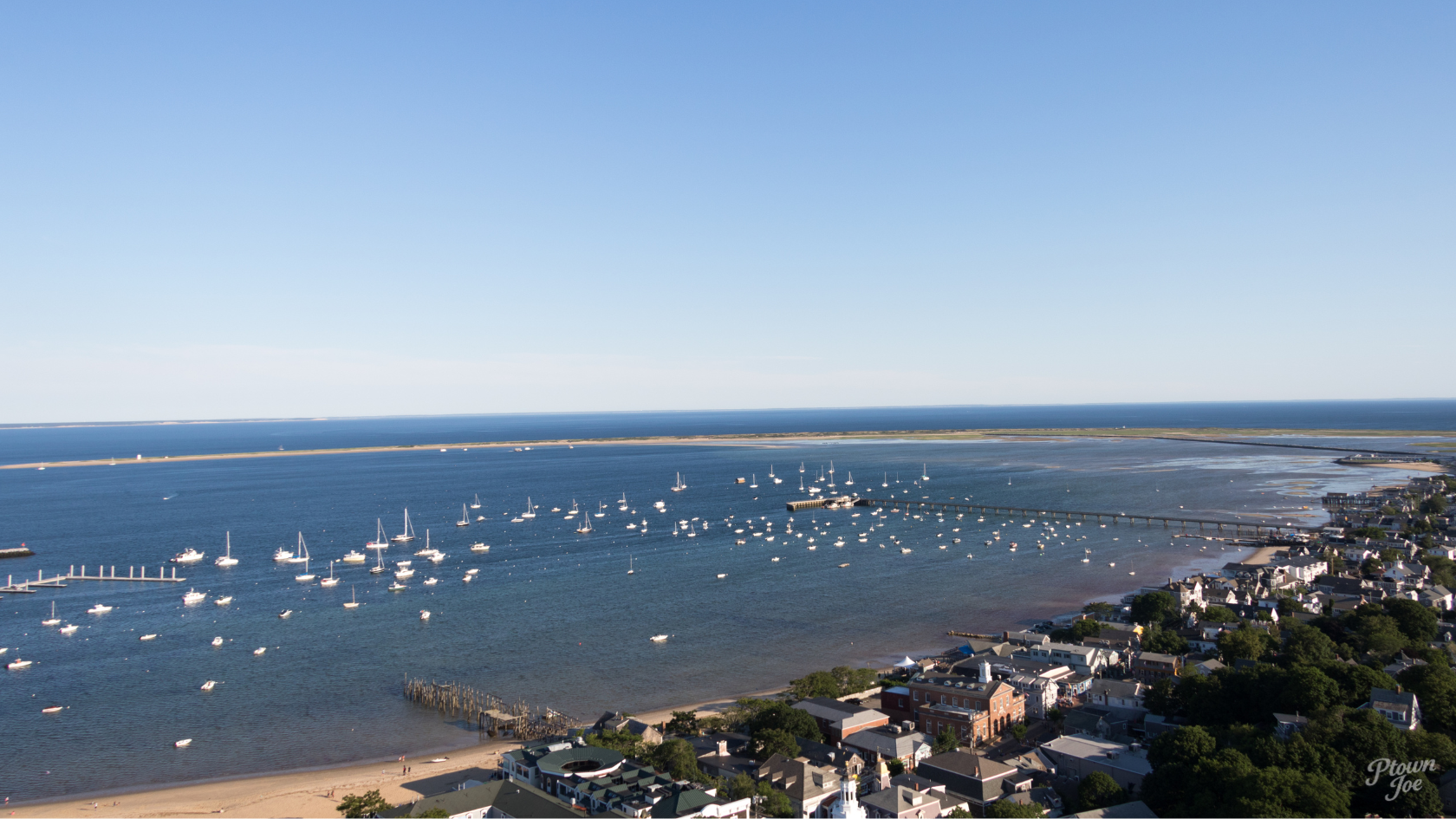
The harbor offered shelter and safety after months at sea. It became the first place where the Pilgrims set foot in New England. For several weeks, exploration parties left the ship to investigate Cape Cod and search for a suitable location to establish a permanent settlement.
Provincetown's harbor, one of the deepest natural harbors in North America, proved to be an ideal anchorage and played a crucial role in the survival of the expedition.
The Mayflower Compact and the Birth of Self-Government
Perhaps the most significant event that occurred in Provincetown was the signing of the Mayflower Compact.
Before disembarking, several passengers expressed concern that because they had landed outside the territory governed by their original charter, there might be no legal authority to govern the group.
To address this issue, 41 male passengers signed what became known as the Mayflower Compact on November 11, 1620. The document established a framework for self-government based on the consent of the governed.
While not a constitution in the modern sense, the Compact represented a remarkable commitment to cooperation, law, and representative decision-making. Many historians consider it one of the earliest examples of democratic governance in North America.
Exploring Cape Cod Before Plymouth
Before settling in Plymouth, the Pilgrims spent nearly five weeks exploring the Cape Cod region. Small parties traveled throughout the area searching for freshwater sources, suitable farmland, and locations for a permanent settlement.
These expeditions faced difficult conditions, including cold weather, unfamiliar terrain, and encounters with Indigenous peoples who had inhabited the region for thousands of years. Despite the challenges, the exploration of Cape Cod provided valuable knowledge that helped the Pilgrims make informed decisions about where to establish their colony.
Ultimately, they selected Plymouth because it offered freshwater resources, a protected harbor, and land that appeared suitable for settlement. Yet the planning and exploration that led to that decision all began in Provincetown.
The Indigenous Peoples of Cape Cod
Long before the arrival of European settlers, Cape Cod was home to Indigenous communities, including members of the Wampanoag people. These communities maintained complex societies, trading networks, fishing traditions, and deep cultural connections to the land and sea.
The history of Provincetown is not solely a story of European settlement. It is also a story of Indigenous stewardship that predates the arrival of the Mayflower by thousands of years. Recognizing this broader history provides a more complete understanding of the region and the many people who shaped its development.
Why Provincetown’s Role Is Often Overlooked
Many Americans learn about Plymouth Colony in school, but fewer realize that the Pilgrims first landed in Provincetown.
As a result, Provincetown's contribution to the founding of America is sometimes overshadowed by Plymouth's later success as a permanent settlement. Yet several foundational events occurred in Provincetown:
First Landing
The Pilgrims first arrived in New England at Provincetown Harbor.
The Mayflower Compact
One of the earliest agreements for self-government in North America was signed while anchored in Provincetown Harbor.
Exploration and Planning
The search for a permanent settlement began from Provincetown.
Safe Harbor
Provincetown Harbor provided the protection necessary for the Pilgrims to regroup and prepare for life in the New World.
Without Provincetown, the story of Plymouth Colony, and perhaps the broader story of colonial America, might have unfolded very differently.
The Pilgrim Monument: Honoring Provincetown’s Historic Legacy
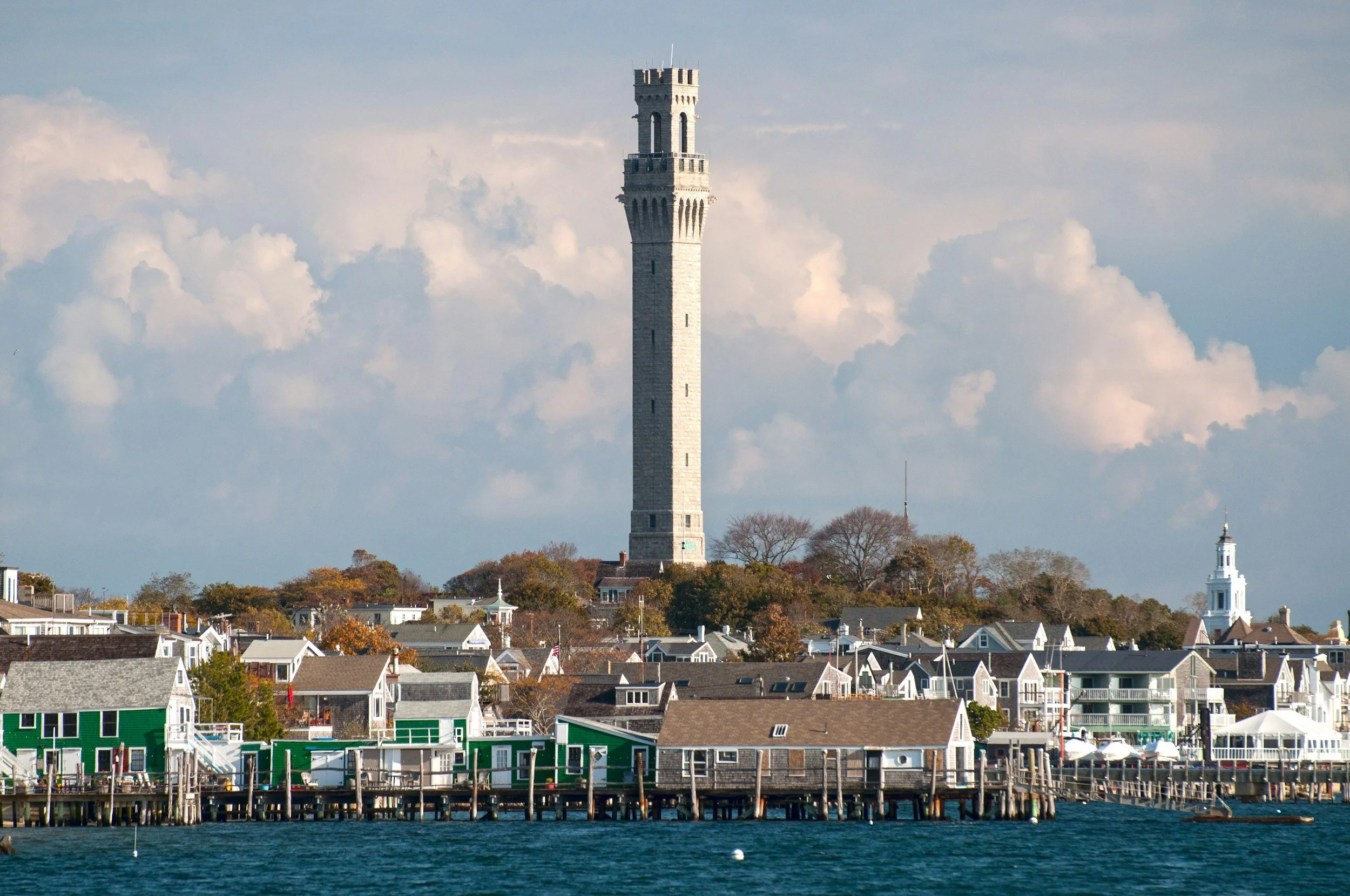
Pilgrim Monument stands as one of the most recognizable landmarks in Provincetown and serves as a reminder of the town's unique place in American history. Completed in 1910, the monument commemorates the Pilgrims' first landing in Provincetown and the signing of the Mayflower Compact.
Rising more than 250 feet above the town, it remains the tallest all-granite structure in the United States. Visitors who climb to the top are rewarded with sweeping views of Provincetown Harbor, Cape Cod Bay, and the Atlantic Ocean.
It serves as both a historical landmark and a symbol of Provincetown's enduring importance in the American story.
Why Provincetown's Place in American History Still Matters Today
Provincetown is often celebrated for its beaches, arts scene, and welcoming community, but its place in American history deserves equal recognition.
The town served as the Pilgrims' first landing place in New England, the location where the Mayflower Compact was created, and the starting point for a journey that would help shape the future United States. These events established Provincetown as one of the most historically significant destinations in America.
Today, visitors can experience that history firsthand through landmarks such as the Pilgrim Monument, local museums, historic walking tours, and the harbor where the Mayflower first anchored more than 400 years ago.
Whether you're interested in American history, planning a visit, or looking to better understand the unique character of Provincetown, exploring this legacy offers a deeper appreciation for the town and its enduring role in the American story.