
Provincetown’s Fishing Heritage: The Industry That Built the Town
Long before Provincetown became known for its vibrant arts scene, celebrated tourism, and dynamic real estate market, fishing was the economic engine that shaped the town’s identity. Situated at the very tip of Cape Cod with direct access to some of the richest fishing grounds in the North Atlantic, Provincetown’s history is deeply rooted in the sea.
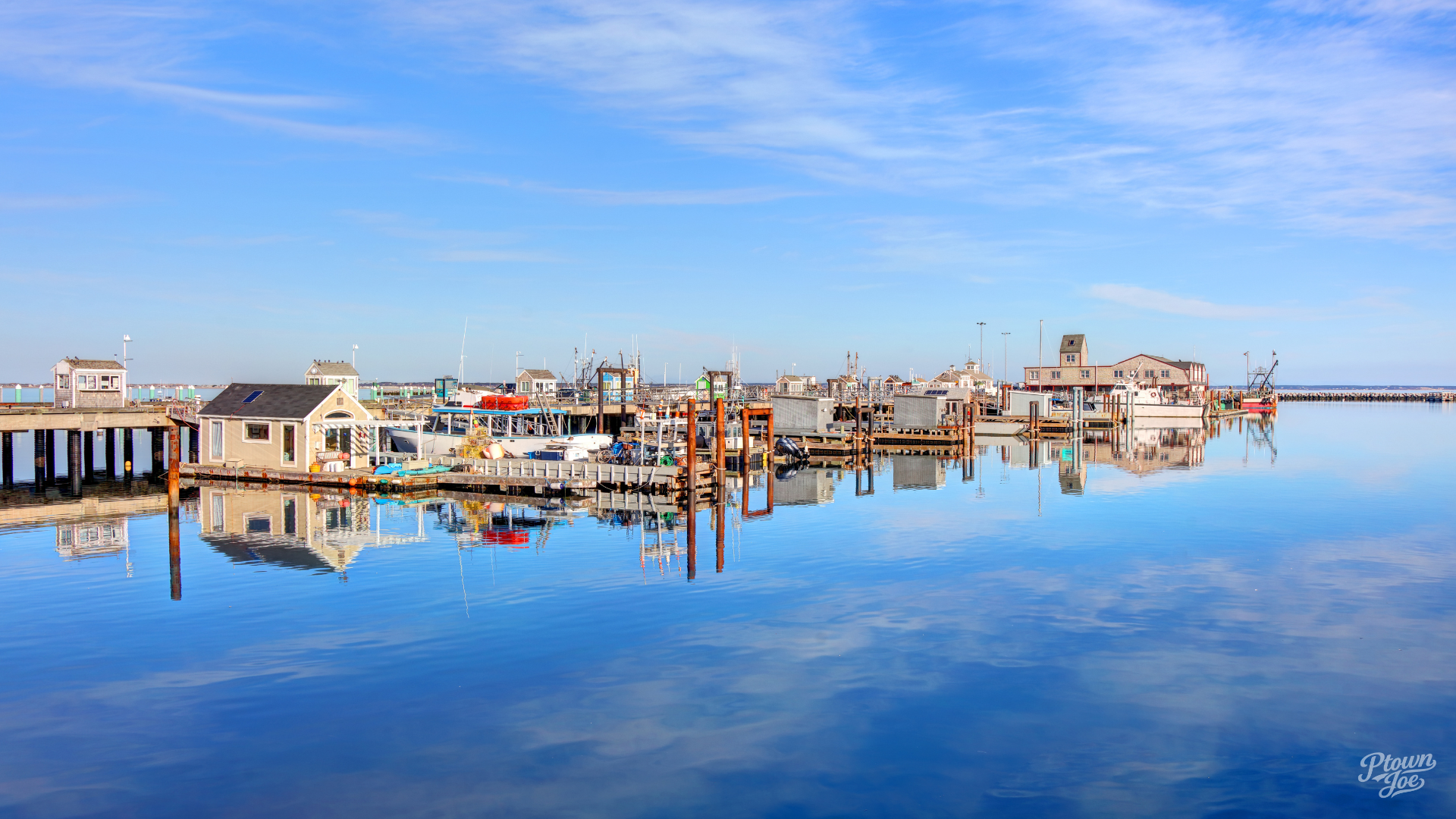
For centuries, the fishing industry sustained local families, fueled economic growth, and established Provincetown as one of New England’s most important maritime communities. Today, remnants of this legacy remain visible throughout the town, from historic wharves and fishing fleets to annual traditions that continue to honor its working waterfront.
Early Fishing Roots in Provincetown
Provincetown’s connection to fishing dates back to Indigenous communities and early European settlers who relied on the abundant waters for cod, mackerel, shellfish, and whale resources.
By the 18th and 19th centuries, Provincetown had evolved into a major commercial fishing port. Its strategic harbor provided safe anchorage for vessels, while nearby Georges Bank offered exceptional fishing opportunities.
Long Point Village: Provincetown’s Forgotten Fishing Community
One of the most fascinating chapters in Provincetown’s maritime history is the story of Long Point Village, a once-thriving fishing settlement located at the far end of Long Point.
In the early to mid-1800s, Long Point Village became home to a growing community of fishermen and their families who built homes, salt works, wharves, and schools along this remote stretch of land. Residents relied heavily on fishing, shellfishing, and maritime trade, creating a self-sustaining coastal settlement.
However, due to the harsh environment, shifting sands, economic challenges, and the convenience of living closer to Provincetown’s main harbor, families gradually relocated back across the harbor by the late 19th century. Many physically floated their homes across Provincetown Harbor, where some structures still stand today as part of the town’s historic neighborhoods.
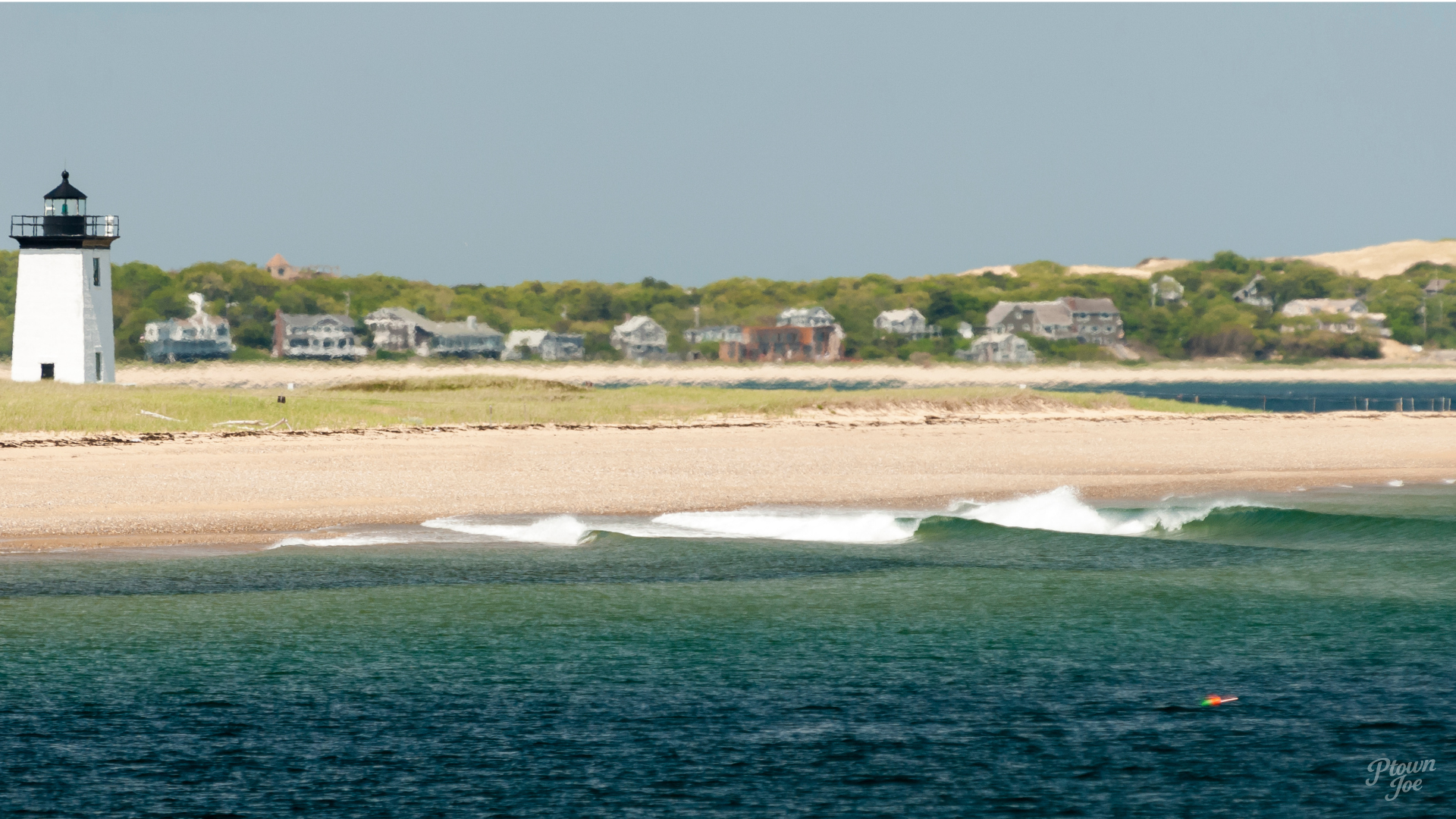
Today, visitors can explore Long Point’s beaches, lighthouse, and trails while reflecting on the remarkable story of this vanished fishing village that helped shape Provincetown’s broader maritime heritage.
The Rise of the Portuguese Fishing Community
One of the most significant chapters in Provincetown’s fishing heritage was the arrival of Portuguese immigrants, particularly from the Azores, during the 19th century.
These families brought deep maritime knowledge and quickly became integral to Provincetown’s fishing fleet. Their influence can still be seen today through:
Traditional architecture
Cultural cuisine
Portuguese fishermen played a major role in cod fishing, whaling, and later dragger fleets, helping shape Provincetown’s working-class identity for generations.
Whaling, Cod, and the Economic Boom
Throughout the 1800s and early 1900s, Provincetown thrived on:
Cod Fishing
Cod was among the most valuable exports, supplying domestic and international markets.
Whaling
Whaling voyages contributed significantly to the local economy during the 19th century.
Mackerel and Shellfishing
These industries provided seasonal employment and diversified income for many families.
MacMillan Wharf and surrounding docks became bustling centers of commerce, lined with fishing vessels, processing operations, and maritime supply businesses.
The Working Waterfront Today
While tourism dominates much of Provincetown’s economy, commercial fishing remains an important part of the town’s identity.
Today, visitors can still experience Provincetown’s fishing heritage through:
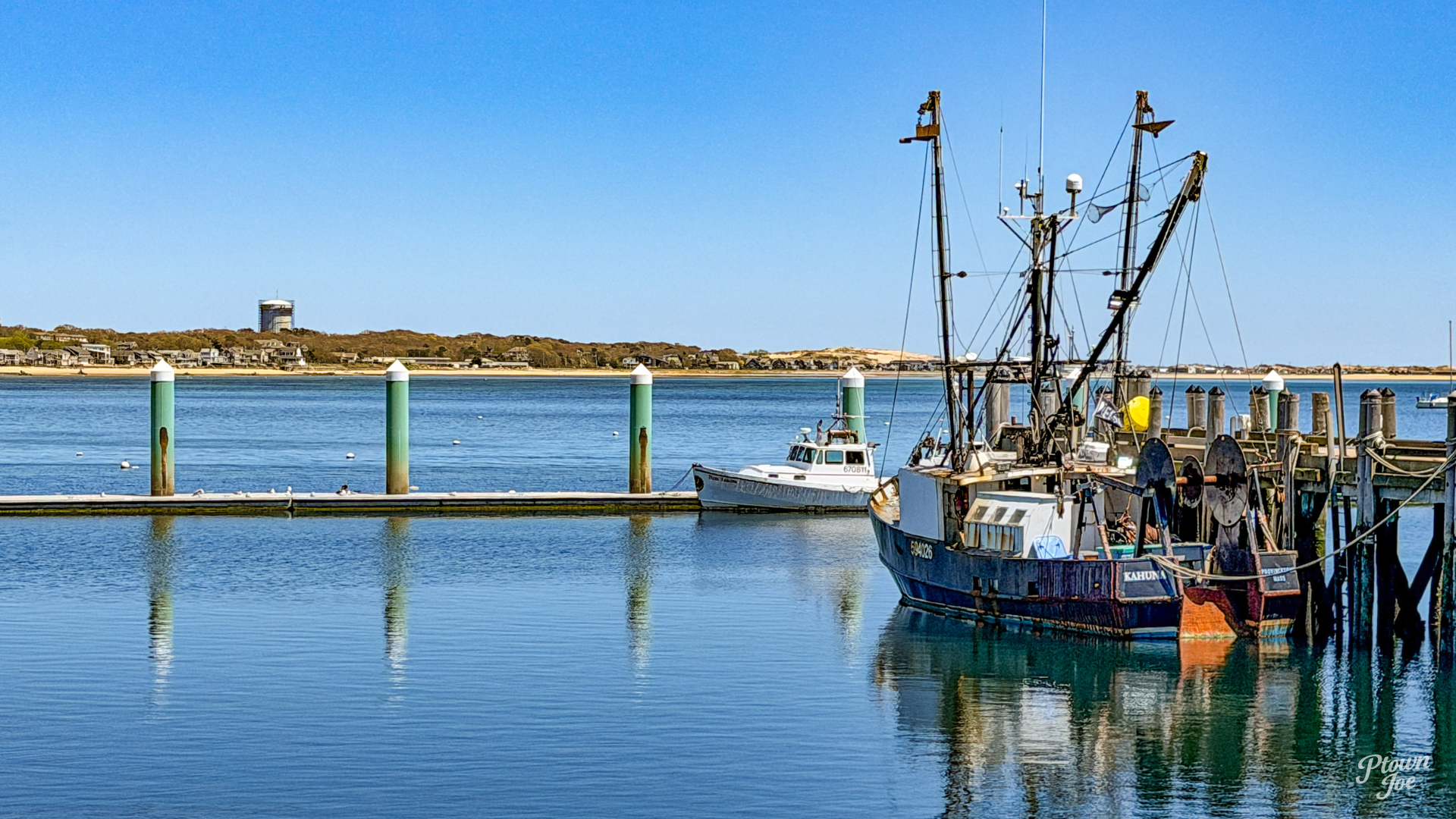
MacMillan Pier’s active fishing fleet
Lobster and shellfishing boats
Fresh local seafood markets
Historic fishing shacks and wharves
The town continues balancing modern economic shifts while preserving its connection to the sea.
Exploring Provincetown’s Maritime History Today
Visitors interested in learning more about Provincetown’s fishing past can explore:
MacMillan Pier
Fishermen’s Memorials
Historic West End and East End waterfronts
These landmarks offer insight into the hardworking communities that built Provincetown long before it became a global destination.
Fishing’s Lasting Impact on Provincetown
Provincetown’s fishing heritage is far more than a chapter in its history, it is the foundation upon which the town was built. From cod fleets and Portuguese fishermen to modern waterfront traditions, the fishing industry shaped Provincetown’s economy, architecture, and enduring sense of community.
Understanding this maritime legacy offers a deeper appreciation for Provincetown’s evolution and the resilient spirit that continues to define this remarkable coastal town.